


Plan the Perfect Heritage Tour Across India with Smart Itineraries and Travel Tips

India can overwhelm even well-prepared travellers. A single trip can include stone forts, living temples, Mughal gardens, Portuguese churches, Buddhist monasteries, stepwells, royal palaces, colonial-era streets, tribal art, and food traditions that change every few hundred kilometres.
That variety is the gift, and the challenge.
A good heritage tour across India is not about seeing the maximum number of monuments. It is about choosing places that connect well, allowing enough time to understand them, and leaving space for meals, markets, conversations, and slow walks. With smart planning, the journey becomes less rushed and far more memorable.
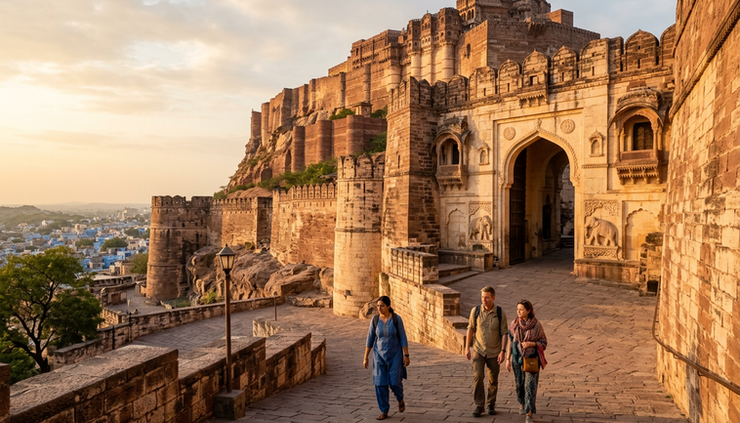
Start with a clear heritage theme
India has more heritage sites than any single holiday can cover well. Before booking trains or hotels, decide what kind of history interests you most.
A theme helps you avoid a scattered route. It also gives the trip a stronger story.
Consider these broad themes:
Ancient and sacred India
Temples, monasteries, caves, pilgrimage towns, and ritual sites.
Royal India
Forts, palaces, havelis, royal cenotaphs, and historic walled cities.
Colonial and coastal heritage
Churches, ports, old trading towns, synagogues, cemeteries, and European-influenced architecture.
Art, craft, and living traditions
Handloom villages, pottery clusters, miniature painting centres, music traditions, and local festivals.
Freedom movement and modern history
Museums, memorials, ashrams, old public buildings, and historic neighbourhoods.
A first-time traveller might begin with a classic route such as Delhi, Agra, Jaipur, and Varanasi. This gives a mix of Mughal, Rajput, colonial, and sacred heritage. A second trip could focus on South India, with Hampi, Mysuru, Thanjavur, Madurai, and Kochi. Travellers who enjoy quieter places can look at Bundi, Orchha, Mandu, Chettinad, Bishnupur, or Majuli.
While researching, do not stop at famous monuments. Look for nearby museums, craft streets, old residential areas, local markets, and heritage walks. These places often explain how people lived around the monument, not just how rulers built it.
Good resources include:
Official tourism websites for states and cities
Archaeological Survey of India monument information
Museum websites
Books by Indian historians and travel writers
Local heritage walk collectives
Recent traveller reviews for access, timings, and closures
Keep a simple note with opening hours, weekly closing days, ticket rules, dress codes, and photography restrictions. Many sites open early, and that can make a major difference in heat, crowds, and light.
Build an itinerary for an India heritage tour that respects distance and time
On a map, two cities may look close. On the ground, road conditions, traffic, terrain, and train timings can change the day completely. A smart itinerary balances movement with time to absorb what you came to see.
As a rule, avoid changing cities every night. Heritage travel needs walking, reading, and pausing. If every day starts with packing and ends with check-in, the journey begins to feel like transport with sightseeing in between.
A useful rhythm is:
Two nights in small towns
Three nights in large cities
One lighter day after a long travel leg
Early starts for major monuments
Free evenings for food streets, ghats, markets, or cultural shows
For example, a North India heritage route could look like this:
Day | Place | Focus |
1 to 3 | Delhi | Old Delhi, Humayun’s Tomb, Qutub complex, museums |
4 | Agra | Taj Mahal, Agra Fort, Mehtab Bagh |
5 to 6 | Jaipur | Amber Fort, City Palace, Jantar Mantar, bazaars |
7 to 8 | Bundi or Pushkar | Smaller-town heritage and slower exploration |
9 to 11 | Varanasi | Ghats, temples, Sarnath, traditional music or weaving |
This is still a packed trip, but it gives each place a fair chance. It also mixes major landmarks with quieter stops.
A South India route could link Bengaluru, Mysuru, Srirangapatna, Belur, Halebidu, Hampi, and Badami. A Tamil Nadu route could focus on Chennai, Mahabalipuram, Thanjavur, Chettinad, Madurai, and Rameswaram. In the east, Kolkata, Bishnupur, Murshidabad, Santiniketan, and the Sundarbans region offer a very different heritage trail.
Try not to measure the trip only by the number of UNESCO sites covered. Some of the richest moments may come from a guided walk through a traditional neighbourhood, a temple kitchen, a weaving village, or a small museum that few visitors enter.
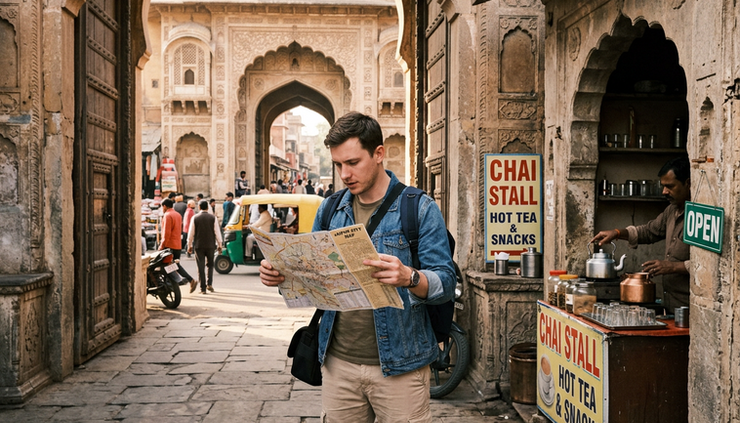
Choose transport that fits each route
India offers many ways to travel, and the best option changes by region.
Trains work well for classic intercity routes
Trains are a strong choice for heritage circuits such as Delhi to Agra, Jaipur to Jodhpur, Chennai to Madurai, or Kolkata to Murshidabad. They save money, avoid long highway fatigue, and can be part of the experience.
Book popular trains early, especially around festivals, school holidays, and long weekends. Choose classes based on comfort needs and journey length. For overnight routes, keep valuables close and carry a light shawl or jacket, as air-conditioned coaches can feel cold.
Private cars help in monument clusters
Some regions are easier by car. Rajasthan, Madhya Pradesh, Karnataka’s Hampi and Badami belt, and parts of Tamil Nadu often involve forts, temples, and villages spread across different points. A car with a local driver can save time and allow short stops.
Before confirming, clarify:
Daily kilometre limits
Driver allowance and parking charges
Toll charges
Air-conditioning
Pick-up and drop-off points
Whether local sightseeing is included
Flights save time across long distances
Flights make sense when connecting distant regions, such as Delhi to Kochi, Mumbai to Guwahati, or Bengaluru to Varanasi. They help if your trip includes both North and South India within two weeks.
Try not to fly too often within a heritage trip. Airports consume time, and frequent flying can break the cultural flow of the route.
Local transport adds texture
Auto-rickshaws, app cabs, cycle-rickshaws, ferries, metro services, and local buses can all be useful. In places like Varanasi, Udaipur, Fort Kochi, Old Delhi, and Pondicherry, walking is often the best way to read the neighbourhood.
For old quarters, check whether vehicles can enter. Many heritage zones have narrow lanes, pedestrian areas, or restricted access at certain times.
Eat locally and stay close to the story
Food is not a side activity on a heritage tour. It carries trade routes, royal kitchens, community traditions, seasonal habits, and local memory.
In Lucknow, heritage may come through kebabs, breads, and old sweet shops. In Chettinad, it appears in spice-rich meals served in historic mansions or family-run restaurants. In Kolkata, it may be in cabin restaurants, mishti shops, Chinese-Indian food in old neighbourhoods, and traditional Bengali meals. In Goa, food reflects coastal produce, Catholic traditions, Saraswat cooking, and Portuguese influence.
A few simple food rules help:
Eat where local families eat, not only where tourist buses stop
Try regional breakfasts, since they are often fresh and affordable
Ask about spice levels before ordering
Carry water, oral rehydration salts, and light snacks during long sightseeing days
Choose cooked food if your stomach is sensitive
Respect local food customs at religious places
Accommodation also shapes the trip. A hotel near the heritage centre can save travel time and make early starts easier. Heritage hotels, restored havelis, homestays, and old bungalows can add charm, but comfort varies widely. Read recent reviews for cleanliness, noise, access, stairs, hot water, and safety.
In old towns, the most atmospheric stays may sit inside narrow lanes where cars cannot reach the door. That can be wonderful if you travel light. It can be tiring with large suitcases or mobility needs.
For longer trips, mix stay types. Use a comfortable hotel after a demanding travel day, then choose a characterful guesthouse in a smaller town. This keeps the trip enjoyable, not just photogenic.
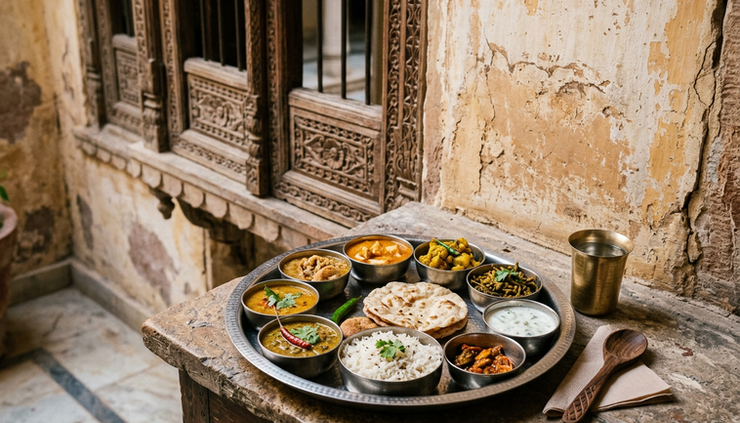
Add regional experiences that go beyond monuments
A strong heritage tour includes both built history and living culture. India’s regions offer very different experiences, so choose a few that match your route and season.
Region | Heritage experience | Practical tip |
Rajasthan | Fort walks, stepwells, miniature painting, folk music | Start early, afternoons can be harsh for outdoor sites |
Uttar Pradesh | Mughal sites, ghats, Buddhist sites, old food lanes | Hire a local guide in dense historic areas |
Tamil Nadu | Temple towns, bronze craft, classical music, stone carving | Dress modestly for temple visits |
Karnataka | Hampi ruins, Deccan architecture, palace towns | Keep two days for Hampi if possible |
Kerala | Fort Kochi, spice history, synagogue area, traditional homes | Walk in the morning or late afternoon |
West Bengal | Colonial Kolkata, terracotta temples, literary heritage | Combine museums with neighbourhood walks |
North East India | Monasteries, tribal heritage, WWII history, craft traditions | Check permits and road conditions in advance |
Maharashtra and Gujarat | Caves, stepwells, old ports, textile heritage | Plan around heat and long road stretches |
Guides can make a big difference, especially at sites with layered histories. Choose licensed guides where required, or book through reputable heritage walk groups. Ask for storytelling that covers architecture, daily life, politics, belief, and restoration, not just names and dates.
Festivals can add depth, but they also bring crowds and higher prices. If you plan around Durga Puja in Kolkata, Pushkar’s fair season, Onam in Kerala, or music festivals in Rajasthan, book early and build extra time into the schedule.
Respect matters. Many heritage places are active religious sites or living neighbourhoods. Remove footwear where required, ask before photographing people, avoid blocking rituals, and keep noise low in sacred spaces.
Travel safely and comfortably
Heritage travel often means early mornings, crowded lanes, uneven stone paths, and long days outdoors. A little preparation goes a long way.
Pack light but thoughtfully:
Comfortable walking shoes with grip
Cotton clothing for warm regions
A scarf or stole for religious sites
Sun protection, including a hat and sunscreen
Refillable water bottle
Small torch for dimly lit lanes or heritage stays
Power bank
Copies of ID, bookings, and emergency contacts
Basic medicines recommended by your doctor
Check the season before locking dates. North India can be cold in winter mornings and very hot in summer. Rajasthan and central India are best explored outside peak summer. Coastal regions can be humid, and monsoon travel may affect roads in hills and remote areas. Hill heritage routes need more buffer time, especially during rain or snow.
For personal safety:
Use registered taxis or trusted app-based services where available
Avoid isolated areas after dark
Keep bags zipped in crowded markets
Share your day plan with someone you trust
Confirm prices before taking local transport
Be cautious with unofficial guides who approach aggressively
Follow local rules at protected monuments
Women travellers, senior travellers, and families with children can enjoy heritage routes across India with careful pacing. Choose central stays, avoid very late arrivals, and keep rest breaks in the plan. If travelling with elders, check for stairs, lift access, walking distances, and availability of seating at sites.
Travel insurance is sensible for longer trips, especially if flights, adventure add-ons, or remote regions are involved.
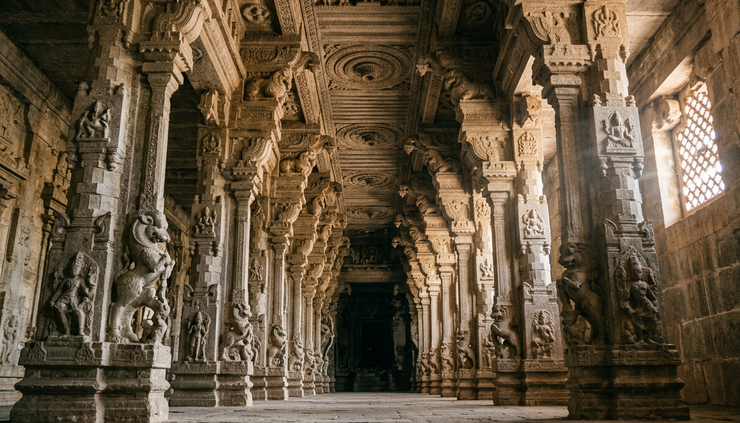
Put it all together with a flexible plan
The best itinerary has structure, but not rigidity. Keep your must-see sites clear, then leave room for weather, traffic, fatigue, and local suggestions. Heritage travel rewards curiosity, and some of the finest discoveries happen between the famous stops.
Before you leave, review your plan with these checks:
Does each city have enough time for both major sites and slow exploration?
Are long travel days followed by easier days?
Have you checked opening hours and weekly holidays?
Are meals and rest breaks built into the sightseeing schedule?
Does the route make sense by train, road, or flight?
Have you booked high-demand stays and transport in advance?
Do you understand local customs at religious and cultural sites?
A well-planned heritage tour across India should feel rich, not rushed. Pick a meaningful route, travel at a human pace, eat what the region does best, and listen to the stories carried by streets, shrines, forts, homes, and markets. India’s heritage is vast, but a thoughtful itinerary turns that vastness into a journey you can truly enjoy.


Comments